
I Skipped the Crowds and Hidden Places in Colorado — Here’s What Nobody Talks About
Last September, I made the mistake of booking a trip to Rocky Mountain National Park during peak fall foliage season. I’m talking bumper-to-bumper traffic on Trail Ridge Road, parking lots that filled up before 6 AM, and so many people on the Bear Lake loop that it felt more like a suburban mall than a mountain trail.
I cut that trip short after the second day.
A friend who grew up in Pueblo told me, “You’re doing Colorado wrong.” And honestly? He was right. I’d been chasing the same Instagram spots everyone else was. So I went back — this time with a Google Maps pin list he emailed me, a tank full of gas, and zero reservations at any famous campground.
What I found completely changed my perspective on this state.
Walsenburg: The Town That Time Forgot (In a Good Way)
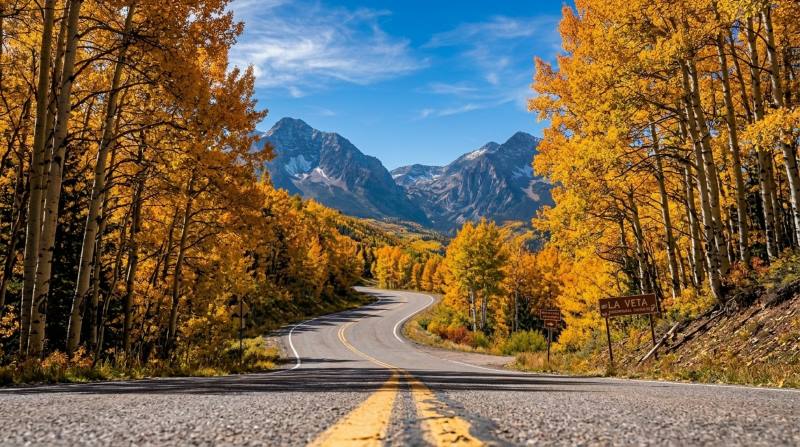
Most people blow through Walsenburg on I-25 on their way to Pueblo or Trinidad. Big mistake.
This little town of about 3,000 people sits right at the edge of the Spanish Peaks — two dramatic volcanic formations that look like something out of a fantasy novel. The thing is, most tourists don’t even know the Spanish Peaks exist because they’re not technically part of any national park.
When I pulled off the highway and drove toward the peaks, I had a paved road almost entirely to myself. The Apishapa Arch area nearby offers some genuinely wild sandstone formations without a single trail fee or reservation system.
I stayed at a motel that cost $58 a night and ate green chile enchiladas at a family-owned spot that’s been there since the 1970s. The owner told me she gets maybe two out-of-state visitors a week. Two.
Practical tip: Use the AllTrails app to find the La Veta Pass area trails. They’re short, stunning, and almost always empty.
Lake City: Colorado’s Smallest Incorporated Town Might Be Its Best
I’ll be honest — I almost didn’t go to Lake City. The drive there from Gunnison is winding, and I wasn’t sure a town with fewer than 500 year-round residents would have much going on.
I was wrong about that too.
Lake City sits in a valley carved out by the Lake Fork of the Gunnison River, surrounded by peaks that push past 14,000 feet. The town itself is straight out of the 1880s — not in a touristy, fake-saloon way, but in a genuine “these buildings have always been here” way.
What really got me was the Alpine Loop Scenic Byway. It’s a 65-mile unpaved route that connects Lake City to Ouray and Silverton through some of the most dramatic high-alpine terrain in North America. In a standard sedan? No. In a rented Jeep or a proper 4WD? Absolutely yes.
I did part of the loop in a rented 4Runner and went over Engineer Pass at around 13,000 feet. No guardrails, sheer drops, and the most incredible panoramic views I’ve seen anywhere in the U.S.
Mistake I made: I didn’t bring enough water or snacks. The nearest gas station from certain points on that loop is 30+ miles away. Pack accordingly.
Pawnee National Grassland: The Anti-Mountains Colorado Experience
Everyone goes to Colorado for the mountains. Understandable. But the eastern plains are genuinely underappreciated, and the Pawnee National Grassland is the best proof of that.
This 193,000-acre stretch of shortgrass prairie sits up in the northeastern corner of the state, near a tiny town called Briggsdale. It’s flat. It’s open. It’s windy. And in spring, it’s one of the best birding spots in the entire country.
I’m not a hardcore birder, but even I was stunned. Ferruginous hawks, burrowing owls, mountain plovers — species you’d never expect this close to Colorado’s ski country.
The Pawnee Buttes trail is about 1.5 miles each way and ends at two dramatic sandstone columns that rise out of nowhere from the flat grassland. It looks surreal. It’s also almost always quiet because, again, nobody goes here.
Best time to visit: Late April through May for wildflowers and bird activity. Summer can be brutally hot and windy.
Creede: Silver Mining Town, Zero Lines at the Theater
Creede is tucked so far into the San Juan Mountains that getting there feels like you’re being let in on a secret. It’s a former silver mining boomtown that boomed hard in the 1890s and has been quietly charming ever since.
The Creede Repertory Theatre is genuinely excellent — a small professional company that runs a rotating summer season with multiple productions. I saw a comedy and a drama in the same weekend, paid maybe $35 a ticket, and sat in a converted old building that held maybe 250 people. No lines. No overpriced concessions. Just good theater in the middle of the wilderness.
The Rio Grande River runs right through town, and the fly fishing is exceptional. The canyon walls around Creede are dramatic — tall, narrow volcanic rock — and there’s a short hike up Bachelor Historic Loop that takes you past old mining ruins with zero crowds.
I talked to a couple from Denver who drove three hours to fish here every summer for twelve years. “We never tell anyone about it,” the guy told me with genuine suspicion. I understand the impulse.
Naturita and the Dolores River Canyon: For People Who Want to Feel Alone
If you’ve ever fantasized about having a canyon entirely to yourself, drive to Naturita.
This little town in Montrose County sits at the edge of the Dolores River Canyon, a 100-mile stretch of sculpted red rock that rivals Moab without a single shuttle bus or permit lottery in sight.
The Rimrocker Trail is a relatively new OHV and mountain bike route that runs through here, and the BLM land surrounding it is open, accessible, and gorgeous. I camped for two nights at a dispersed site along the Dolores River, saw three other campers total, and watched more stars than I’d seen in years.
Fair warning: Cell service here is essentially zero. Download your offline maps on Google Maps or Maps.me before you arrive. I learned this the hard way after missing a turn and adding 45 minutes to my drive.
Salida Without the Hype (It’s Getting Trendy — Go Now)
Okay, Salida is starting to show up on “hidden gems” lists, which means the window is closing. But compared to Breckenridge or Telluride, it’s still dramatically uncrowded and affordable.
What I love about Salida is that it has actual infrastructure — good coffee, solid restaurants, an independent bookstore — without the $400/night hotel problem that plagues most Colorado mountain towns. The Arkansas River runs right through it and is considered one of the best whitewater kayaking rivers in the state.
I rented a kayak for a half-day float through town for about $45. Spent the afternoon at Café Dawn, which is this tiny spot that makes genuinely great breakfast. Walked the art district in the evening.
Monarch Mountain ski area is just 23 miles away and has some of the best powder in Colorado with a fraction of the crowds at Vail or Breckenridge.
Go before the travel magazines fully discover it. A local told me property prices have already jumped 40% in three years. The vibe is still intact, but it won’t be forever.
Common Mistakes Tourists Make in Colorado (That I Made First)
Only planning for altitude in the mountains. Even Salida sits at 7,000 feet. Drink more water than you think you need before you even feel thirsty.
Underestimating distances. A 60-mile drive in Colorado can take 90 minutes on mountain roads. Build in buffer time.
Skipping the east side entirely. The plains, the grasslands, the agricultural towns — they’re a completely different Colorado that most visitors never see.
Only visiting in summer. Fall is stunning, spring is peaceful, and winter (outside of ski season) means empty roads and dramatic snow-dusted landscapes. I’ve done Colorado in February and had entire state parks to myself.
Over-relying on Yelp. In small towns, the best food is often at a place with three Google reviews or no website at all. Ask locals. Every time I’ve done this, I’ve eaten better.
The Honest Bottom Line
Colorado’s famous spots are famous for a reason. Rocky Mountain National Park is beautiful. Maroon Bells is stunning. Mesa Verde is genuinely awe-inspiring.
But if you’ve already done those things — or if you just don’t want to deal with the parking reservation systems and timed entry windows and $30/night campground lotteries — the underrated Colorado is waiting. It takes a bit more planning, a slightly higher tolerance for uncertainty, and a willingness to stop at a diner in a town of 800 people.
Every single time I’ve done that, I’ve been glad I did.
The real Colorado isn’t hiding. It’s just sitting quietly off the interstate, wondering why nobody ever pulls over.